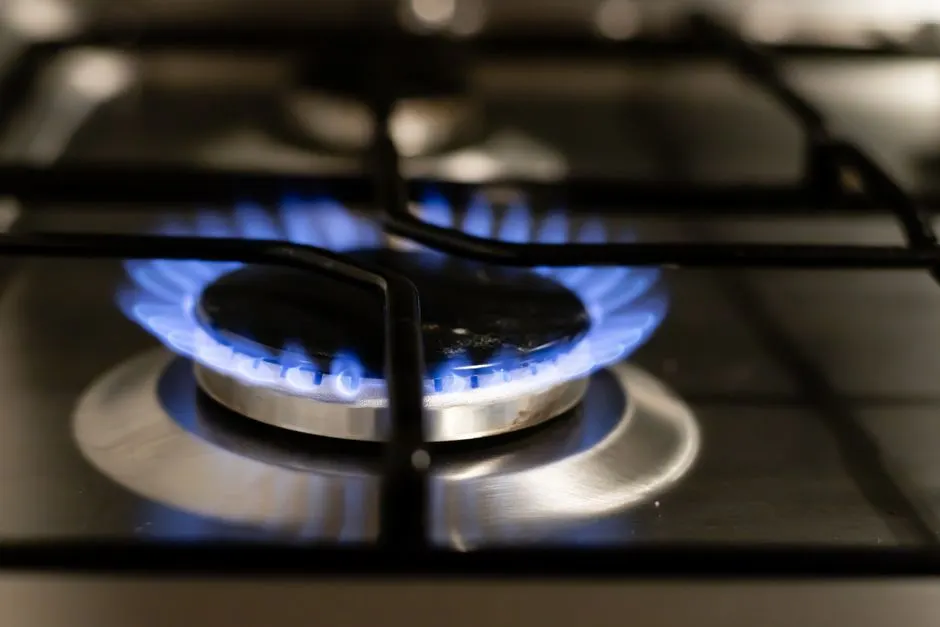
Your kitchen fire started behind the stove because of an electrical fault, a grease buildup, or a gas leak - in that order of likelihood. Most of these fires ignite in the narrow gap between the back of the appliance and the wall, where you never see the problem developing. In North Hills, California, the combination of older housing stock and heavy kitchen use makes that hidden zone a real risk. This post explains exactly what causes a fire behind the stove, how to spot the warning signs, and what to do if it happens to you.
The hidden causes behind a stove fire
A stove fire behind the stove is almost always a failure of something you cannot see from the front. The back panel of a range hides a dense cluster of wiring, a terminal block, a gas regulator, and often a shutoff valve. Heat, vibration, and years of cooking vapors attack those components. When one fails, it can arc, overheat, or leak - and the first sign is often smoke coming from behind the unit, not from the burners.
We respond to kitchen fire cleanup calls across the San Fernando Valley, and the pattern is consistent. The fire starts small, smolders in insulation or cabinet framing, and then breaks through. By the time you see flames, the fire has usually been burning behind the stove for several minutes. That is why the cause matters: if you do not identify it, a replacement stove can recreate the same conditions.
Electrical faults: the most common reason a fire starts behind the stove
An electrical fire behind the stove in North Hills CA typically begins at a loose connection or an overloaded circuit. The receptacle behind a range carries high current - a standard electric range draws 40 to 50 amps on a dedicated 240-volt circuit. If the outlet is old, the wiring is undersized, or the plug is not fully seated, resistance builds. Resistance creates heat. Heat eventually ignites the wire insulation or the wood framing inside the wall.
Three specific failure points account for most of these fires:
- Loose terminal screws at the outlet or the stove's terminal block. Vibration from normal use slowly backs them out.
- Aluminum branch wiring, common in homes built between 1965 and 1975. Aluminum expands and contracts more than copper and loosens at connections over time.
- Overloaded circuits where a previous owner tapped the range circuit for an additional outlet or a microwave.
You may notice a burning smell near the floor, a warm outlet cover, or a breaker that trips repeatedly before a fire starts. Those are not nuisance issues. They are the warning stage. If you see any of them, stop using the stove and have the circuit inspected. For the cleanup side of an electrical fire, our Electrical Fire Cleanup in NORTH HILLS, California team handles the soot and wiring debris that these fires leave behind.
Grease and food debris: the slow-burning fuel
Grease buildup behind the stove is the second leading cause of kitchen fires in North Hills, California. Every time you fry, broil, or roast, a fine aerosol of cooking oil settles on the wall, the back of the stove, and the floor behind it. Over months, that film becomes a sticky, flammable layer. A spark from a nearby outlet, a hot pan set too close to the wall, or a flare-up on the stovetop can ignite it.
The danger is that grease fire residue is invisible until it is thick. Pull your stove out once and look at the wall behind it. If you see a brown or amber film, you have fuel. Clean it with a degreaser designed for kitchen surfaces, and do it at least every three months if you cook daily. The same residue collects on range hood filters - a clogged filter is a fire waiting for a ignition source.
If a grease fire does happen, the damage goes beyond the burned area. Smoke and soot travel through the kitchen and into adjacent rooms. Our Smoke Damage Restoration in NORTH HILLS, California service addresses the odor and residue that remain after the flames are out.
Gas leaks and faulty connections
A gas leak behind a stove is less common than an electrical fault, but it is more immediately dangerous. The flexible connector that feeds a gas range can crack with age, and the shutoff valve behind the stove can develop a slow leak. If the leak is small, you may smell gas only when the stove is running. If it is larger, the odor is constant.
Any gas smell near the stove is a call-the-gas-company situation, not a wait-and-see situation. Do not flip switches, do not unplug the stove, and do not try to tighten the connection yourself. Get out, call the utility, and let a licensed technician confirm the repair. A gas fire behind the stove can ignite from the pilot light or the igniter the moment the concentration reaches the right mix.
Common mistakes that make a stove fire worse
The response in the first 60 seconds determines how much damage a kitchen fire causes. These are the mistakes we see most often when we arrive on site:
- Throwing water on a grease fire. Water flashes to steam and throws burning grease across the room. Use a lid or a fire extinguisher rated for kitchen fires.
- Not shutting off the heat source. Turn off the burner or the oven before you do anything else. A fire that keeps getting fuel will keep burning.
- Waiting to call 911. A fire behind the stove can travel into the wall cavity in under two minutes. Call first, then evacuate.
- Reusing a fire extinguisher that is past its service date. Check the gauge monthly. A dead extinguisher is worse than none because it gives you false confidence.
One more mistake: pulling the stove out to inspect the damage yourself before the fire department clears the scene. The wiring behind the unit may still be live, and the cabinet framing may be hot enough to reignite.
How to prevent kitchen fires in North Hills, California
Kitchen fire prevention in North Hills starts with the area behind the stove, because that is where the causes hide. A few concrete steps cut your risk substantially:
- Pull the stove out twice a year and clean the wall, floor, and back panel with a degreaser. This is the single highest-value habit.
- Have the range circuit inspected if your home was built before 1980 or if you have aluminum wiring. A licensed electrician can tighten connections and confirm the breaker size.
- Replace the gas connector every 5 to 7 years, or sooner if it shows cracks or corrosion.
- Keep a Class K extinguisher within 10 feet of the stove. Class K is designed for cooking oil fires.
- Never store items on top of the stove or in the cabinet directly above it. A reach over a hot burner is a common ignition path.
If you live in an older North Hills property - especially the post-war tracts on the east side - the wiring behind your appliances may be original. Our Fire Damage Restoration in North Hills East team works in these homes regularly and can tell you what the typical failure points look like.
When to call a professional
Call a professional when the fire has been extinguished but the damage remains - and that is almost always the case with a fire behind the stove. Even a small fire leaves soot inside the wall cavity, smoke residue on cabinets, and a burned smell that does not go away with ventilation. The cleanup is not a mop-and-bucket job.
Fire Damage Restoration North Hills handles the full scope: we assess the structural damage, remove soot and char, treat smoke odor, and restore the kitchen to a usable condition. We also document the damage for your insurance claim, which matters because kitchen fires are often covered but the paperwork has to be right. If you are wondering whether to file, our team can walk you through what your policy likely covers before you commit.
For fires that have compromised framing or drywall, we bring in Structural Repair After Fire in NORTH HILLS, California to rebuild what the fire damaged. And if the fire spread beyond the kitchen, our Fire Damage Restoration in North Hills service covers the whole home.
Frequently Asked Questions
Why did my kitchen fire start behind the stove in North Hills, California?
The most likely cause is an electrical fault at the outlet or terminal block, followed by grease buildup and gas connector leaks. In North Hills, older wiring in pre-1980 homes raises the electrical risk. A licensed inspector can confirm the exact cause.
What causes kitchen fires in North Hills?
Cooking is the leading cause, but behind-the-stove fires specifically come from loose electrical connections, accumulated grease, and aging gas connectors. Unattended cooking and overloaded circuits are the two most common contributing factors we see.
How to prevent kitchen fires in North Hills CA?
Pull the stove out and degrease behind it every six months, have the range circuit inspected if your home is older, replace gas connectors every 5 to 7 years, and keep a Class K extinguisher within 10 feet of the stove. Those four steps cover most of the risk.
Who fixes electrical fire damage behind stove in North Hills California?
A licensed electrician repairs the wiring and outlet; a fire damage restoration company handles the soot, smoke odor, and structural repair. Fire Damage Restoration North Hills coordinates both parts of the job so the kitchen is safe and clean when we finish.
Does insurance cover kitchen fire damage in North Hills?
Most homeowner policies cover kitchen fire damage, including cleanup and structural repair, minus your deductible. Coverage depends on your specific policy and whether the fire was accidental. We document the damage thoroughly to support your claim.
Get help with Fire Damage Restoration in NORTH HILLS
A fire behind the stove is a hidden-damage problem, and the cleanup is bigger than it looks. Fire Damage Restoration North Hills responds to kitchen fire calls across the area and handles everything from soot removal to structural repair. Call us at (833) 929-6186 and we will assess the damage and give you a clear plan.